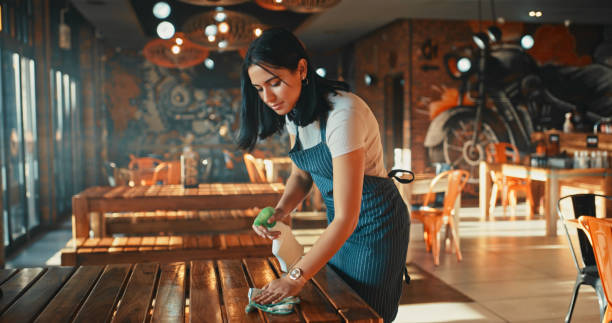
Ask any experienced restaurateur what keeps them up at night and food safety will usually be near the top of the list, right alongside cash flow and staffing. It makes sense. One bad health inspection, one viral review about a dirty bathroom, and months of hard-earned reputation can take a hit that’s genuinely difficult to recover from. Cleanliness in hospitality isn’t a nice-to-have. It’s the thing customers notice before they’ve even tasted the food.
Diners Judge Faster Than You’d Think
Research into consumer behaviour consistently shows that people form judgements about a restaurant’s food quality based on visible cleanliness cues – sticky tables, grimy menus, or a bathroom that hasn’t been checked in hours. Whether or not that’s fair, it’s how people think. A guest who spots a dirty floor near the kitchen pass is unlikely to trust that the food coming out of that kitchen is handled with any more care.
Online reviews have only amplified this. A single mention of a dirty bathroom or a fly near the counter can sit at the top of a Google listing for months, colouring every potential customer’s first impression before they’ve even walked through the door.
Where Health Inspectors Actually Look
NSW Food Authority inspections don’t just glance at the dining room. Inspectors dig into food storage temperatures, cross-contamination risks between raw and cooked ingredients, pest control evidence, and the condition of equipment like exhaust hoods and drains that customers never see. These are exactly the areas that get neglected when cleaning is treated as a quick end-of-shift task rather than a structured routine.
Grease trap maintenance is a common failure point. It’s unglamorous work, easy to put off, and yet a poorly maintained trap can trigger both a failed inspection and a genuinely unpleasant odour problem in the kitchen.
Daily Versus Deep Cleaning
Most kitchens have some version of a daily routine – wiping benches, mopping floors, taking out rubbish. Where things fall apart is the deeper, less frequent work: degreasing exhaust canopies, descaling equipment, cleaning behind and underneath appliances where food debris accumulates unseen. These jobs get pushed back week after week until they become a much bigger, costlier problem, whether that’s a pest issue or a failed inspection.
Building both layers into a fixed schedule, rather than leaving deep cleaning to “whenever there’s time,” is really the only reliable way to stay ahead of it. Many venues find it easier to bring in a specialist restaurant cleaning Sydney team for the deep-clean layer while staff handle daily upkeep themselves.
The Front-of-House Details That Matter
Kitchens tend to get most of the attention, but front-of-house hygiene shapes the customer experience just as much. Sticky menus, dusty light fixtures, marked-up glass doors and bathrooms that haven’t been checked during a busy service all chip away at a guest’s confidence, even if the food itself is excellent.
A simple hourly bathroom check sheet during service hours solves a surprising amount of this. It’s a small operational habit that costs almost nothing and prevents the kind of complaint that ends up in a review.
Staff Training Makes or Breaks Consistency
Even the best cleaning schedule falls apart if staff aren’t properly trained on why it matters and how to execute it. High turnover in hospitality means training can’t be a one-off session during onboarding – it needs to be reinforced regularly, with clear checklists rather than vague instructions to “keep things clean.”
Colour-coded cloths and chopping boards for different food types remain one of the simplest, most effective ways to prevent cross-contamination, yet plenty of kitchens still skip this basic step.
When to Bring in Outside Help
Some venues manage everything in-house successfully, particularly smaller operations with a stable, well-trained team. Larger venues, or those running multiple sittings a day, often find it more practical to bring in a professional partner for the heavier periodic work – exhaust systems, drains, and full kitchen degreases – while keeping day-to-day cleaning with their own staff. A good provider will also understand food safety documentation requirements, which makes inspection time considerably less stressful.
Seasonal and Event-Based Pressure Points
Sydney’s hospitality scene sees sharp spikes around holiday periods, long weekends and major events, and cleaning demands rise right alongside covers served. A kitchen that copes fine with a quiet Tuesday service can fall behind fast during a fully booked Saturday night, which is exactly when grease build-up and rubbish accumulation happen quickest. Planning extra cleaning support around known busy periods, rather than assuming the usual schedule will stretch to cover it, helps venues avoid ending a big week with a kitchen that badly needs catching up.
Outdoor dining areas deserve a mention too, given how popular they’ve become across Sydney. Tables, umbrellas and surrounding pavement collect dust, bird droppings and general street grime far faster than indoor seating, and neglecting that area creates a jarring contrast with a spotless interior just a few metres away.
Wrapping Up
Hygiene in a restaurant setting isn’t just about passing an inspection, though that matters plenty. It’s about the impression a venue leaves with every single guest, every single day, and how much repeat business rides on that impression. Restaurants that build cleaning into their operational rhythm rather than treating it as an afterthought tend to see the payoff in fewer inspection issues, better reviews, and diners who come back without a second thought.